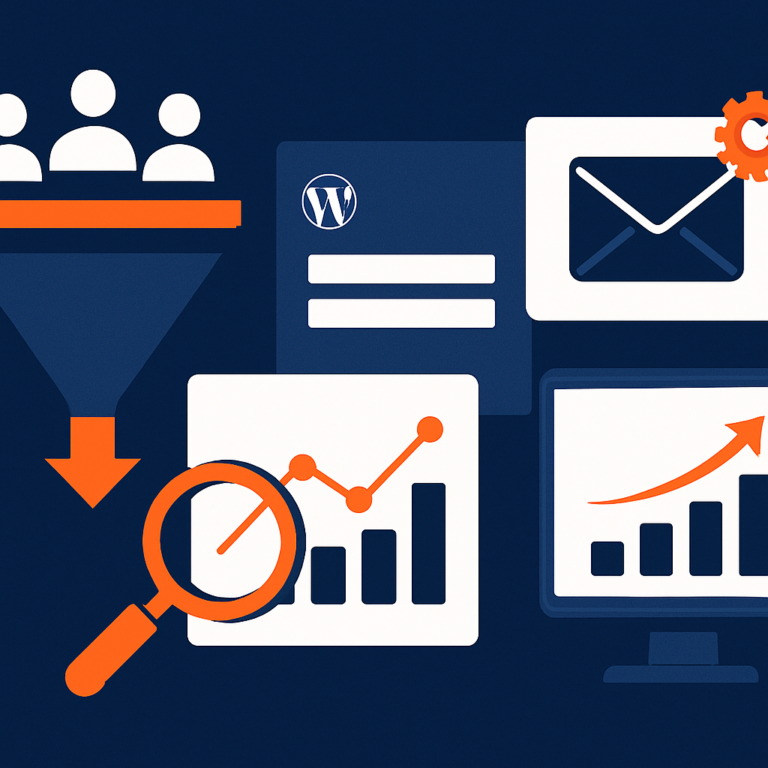



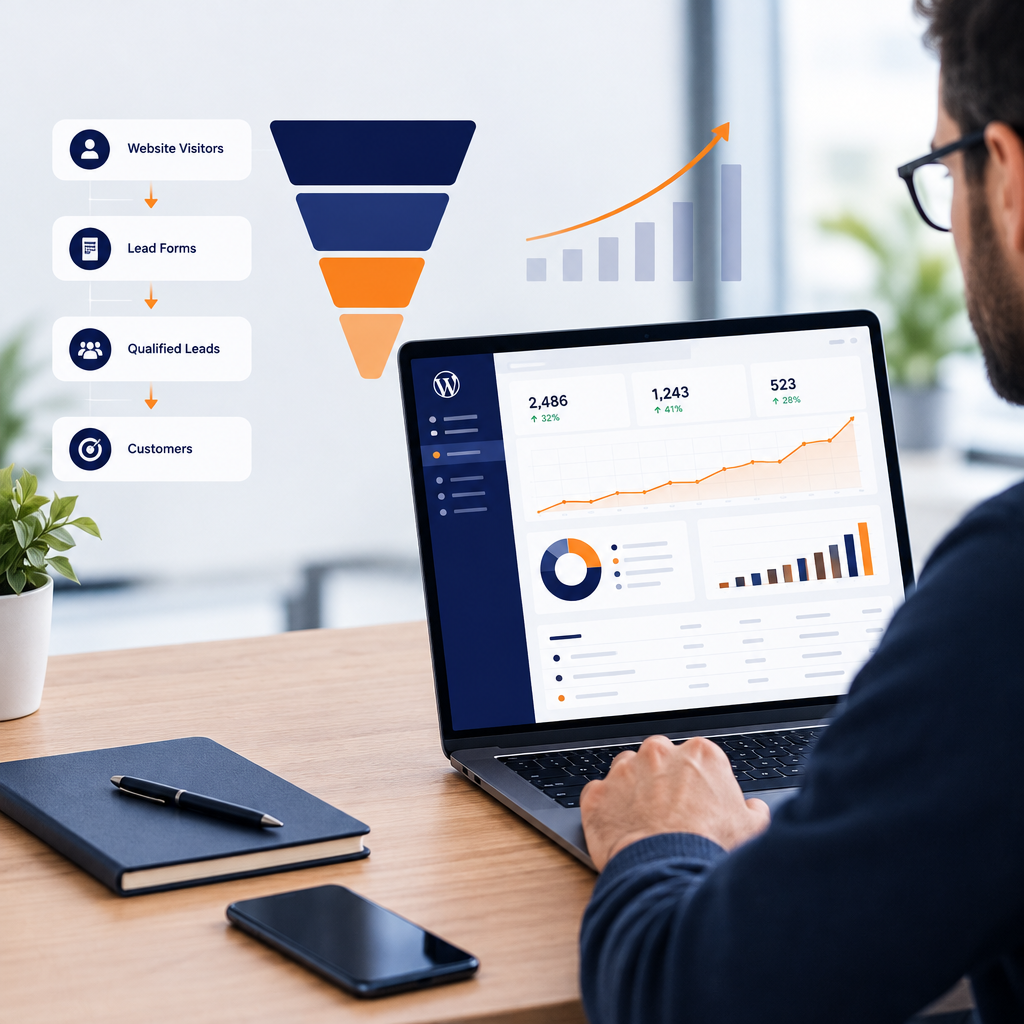
Understanding the Role of Analytics in Lead Generation
Analytics play a crucial role in shaping effective lead generation strategies. By examining data from various sources, businesses can identify what works and what doesn’t in their lead capture efforts. This targeted approach allows marketing agencies to optimize their strategies based on real performance metrics rather than assumptions. In a world where consumer behavior is constantly evolving, leveraging analytics becomes not just beneficial but essential for staying competitive.
Step 1: Define Your Key Performance Indicators (KPIs)
Before diving into analytics tools, it is vital to determine which KPIs are most relevant to your lead generation efforts. Common KPIs include:
- Conversion Rate: The percentage of visitors who take a desired action, such as filling out a form or subscribing to a newsletter. A higher conversion rate indicates that your messaging and offers resonate well with your audience.
- Cost Per Lead (CPL): The total cost incurred to acquire a lead. Understanding CPL helps in budgeting and assessing the return on investment for different marketing channels.
- Lead Source Performance: Insights into which channels (social media, organic search, paid ads) produce the most leads. This metric helps in reallocating resources to the most effective channels.
Setting clear KPIs helps you evaluate your performance objectively. For instance, tracking conversion rates enables you to assess the effectiveness of your landing pages, while CPL can help you manage your budget effectively. Moreover, by regularly reviewing these KPIs, you can identify trends over time, allowing for more strategic decision-making.
Step 2: Choose the Right Analytics Tools
Selecting the right analytics tools is essential for gaining insights into your lead generation efforts. Google Analytics is a popular choice, but consider other platforms that offer specialized features. For example:
- Hotjar: Provides heatmaps to show where users click and scroll on your site, giving you visual insights into user engagement and areas that may need improvement.
- HubSpot: Offers detailed reporting on lead sources and conversion rates, making it easier to track the effectiveness of your inbound marketing strategies.
- Mixpanel: Focuses on user interactions and can track specific events, allowing for deeper analysis of user behavior over time.
Using these tools, you can gather data on user behavior, landing page performance, and traffic sources, which are vital for refining your lead generation strategy. Each tool provides unique insights that, when combined, create a comprehensive view of your lead generation landscape.
Step 3: Track User Behaviour
Tracking user behaviour is key to understanding how potential leads interact with your website. Utilize features like event tracking and funnel visualizations to monitor how users navigate through your site. This information can highlight:
- Where users drop off in the conversion process, indicating potential barriers to completing desired actions.
- Which content engages them the most, helping you understand what resonates with your audience.
For example, if a high percentage of users abandon a form midway, it might indicate that the form is too long or complex. Modifying it to be simpler could lead to improved conversions. Additionally, analyzing user flow can reveal unexpected pathways that visitors take, which can inform content strategy and website structure.
Common Mistakes to Avoid
A common mistake is focusing solely on traffic numbers instead of engagement metrics. High traffic without conversions signals an issue with your lead capture process. Instead, prioritize metrics that reflect user engagement, such as time spent on page or bounce rates, to inform your strategy. Understanding the quality of your traffic is just as important as the quantity.
Step 4: Analyze Lead Sources
Understanding where your leads come from is essential for allocating resources effectively. Use analytics tools to assess the performance of different channels:
- Organic Search: Are your SEO efforts delivering qualified leads? Analyzing keywords and search queries can help refine your content strategy.
- Social Media: Which platforms yield the most engagement? Tracking metrics like shares, comments, and click-through rates can provide insights into audience preferences.
- Email Campaigns: How well are your email marketing campaigns converting? Metrics such as open rates and click rates can reveal the effectiveness of your messaging.
By analyzing these sources, you can enhance your lead generation strategy by focusing on the most effective channels. For instance, if email campaigns drive high conversion rates, investing more in this area can yield better results. Additionally, understanding the customer journey from lead source to conversion can help in tailoring your approach for each channel.
Step 5: Implement A/B Testing
A/B testing allows you to compare different versions of landing pages, email campaigns, or ads to determine which performs better. Here’s how to approach it:
- Create two versions of a landing page (Version A and Version B), altering one element at a time, such as the call-to-action button color or the headline.
- Split your traffic between the two versions and measure the conversion rates to determine which version performs better.
- Implement the winning version across your campaign and continue testing other elements to optimize further.
This method provides concrete data on what resonates with your audience, allowing for continuous improvement. A/B testing not only enhances conversion rates but also fosters a culture of experimentation within your team, encouraging innovative approaches to lead generation.
Step 6: Regularly Review and Adjust Your Strategy
Analytics is not a one-time effort. Regularly review your data to adapt to changing trends and user preferences. Set a routine to analyze your KPIs at least once a month. This proactive approach keeps your lead generation strategies aligned with current market demands. For instance, if you notice a decline in conversion rates, investigate potential causes such as changes in user behaviour, increased competition, or shifts in market trends.
Adjusting your strategy in response to these insights can help maintain your lead generation effectiveness. Consider conducting quarterly reviews to assess the overall health of your lead generation strategy, allowing for more significant adjustments when necessary.
Utilizing Analytics for Continuous Improvement
Using analytics for lead generation is an ongoing process that involves learning from data and making informed adjustments. By staying alert to user behaviour and market changes, your agency can enhance its lead generation strategy over time. This commitment to continuous improvement not only boosts lead quality but also fosters stronger relationships with potential customers.
To further explore effective strategies, consider reading about optimizing lead capture forms and the importance of landing page optimization. These resources can provide additional insights into refining your lead generation efforts and maximizing your return on investment.
Turn your website visitors into paying customers