


Introduction to Customer Journey Lead Nurturing
Understanding the customer journey is essential for effective lead nurturing. The customer journey refers to the process potential clients go through from the first point of contact with your brand to becoming a paying customer. By mapping out this journey, coaches and consultants can tailor their lead nurturing strategies to meet the specific needs of their audience at each stage. This tailored approach not only enhances the customer experience but also increases the likelihood of conversion, as prospects feel more understood and valued throughout their interactions with your brand.
The Stages of the Customer Journey
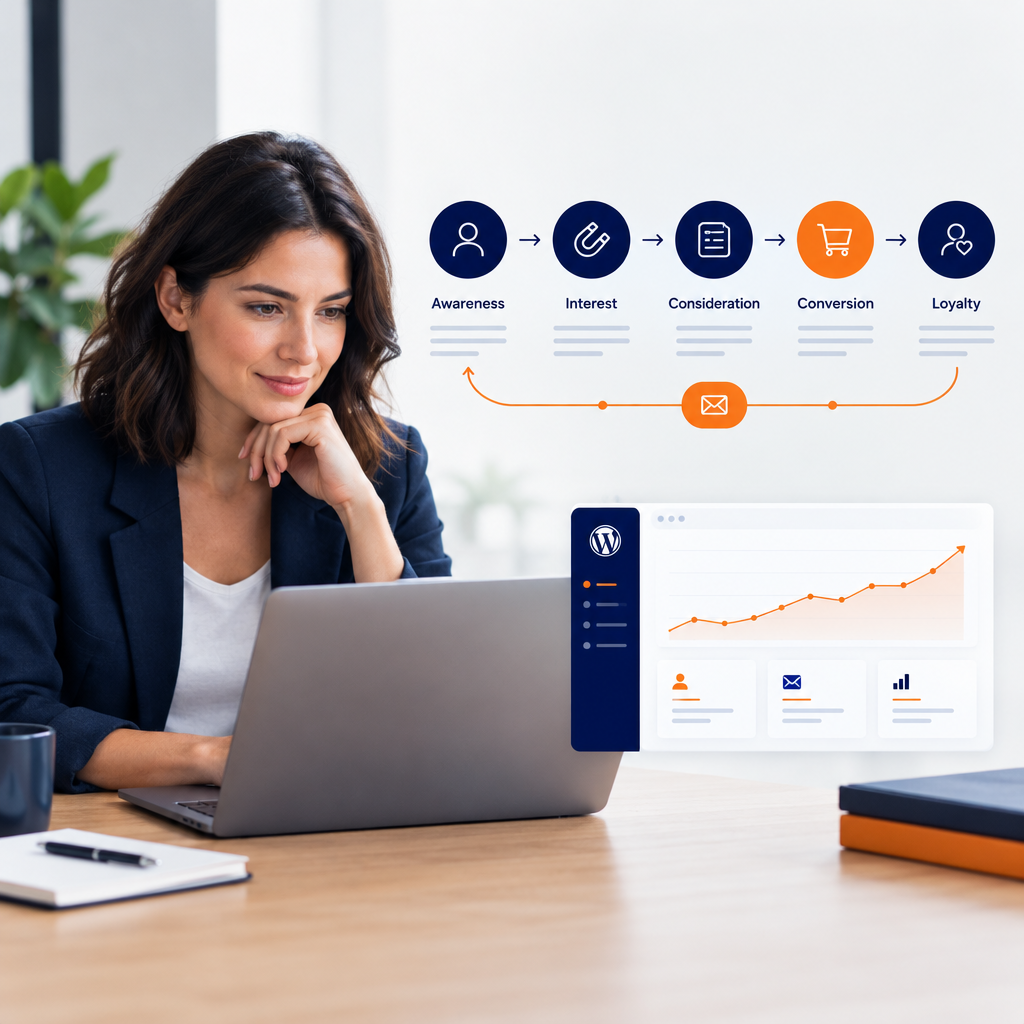
Every customer journey typically consists of three main stages: awareness, consideration, and decision. Each stage presents unique opportunities for lead nurturing, and understanding these stages is crucial for developing effective strategies that resonate with potential clients.
Aware Stage
During the awareness stage, potential clients are just discovering their problems or needs. This is the time to provide valuable content that highlights your expertise. Lead magnets such as free webinars, ebooks, or informative blog posts can capture their attention and generate leads. For example, creating a lead magnet tailored to common pain points can effectively attract prospects. Consider developing a free ebook that addresses a prevalent challenge in your niche, such as “10 Strategies to Overcome Procrastination” for productivity coaches. This not only positions you as an authority but also gives potential clients a taste of the value you can provide.
Additionally, leveraging social media platforms to share insights and tips can further enhance your visibility during this stage. Engaging posts, infographics, and short videos can help spread awareness and direct traffic to your lead magnets. For instance, a short video explaining a common issue and linking to your ebook can drive engagement and encourage shares, expanding your reach.
Consideration Stage
In the consideration stage, leads are evaluating different solutions. Here, your goal is to build trust and establish credibility. Sharing case studies, testimonials, and detailed content about your offerings can help nurture these leads. For example, if you are a business coach, presenting a case study that outlines how you helped a client increase their revenue by 30% can be compelling. This not only showcases your expertise but also provides social proof that your services yield tangible results.
Use personalized email sequences to engage your audience, providing them with the information they need to make informed decisions. Tailoring your emails based on the specific interests of your leads can significantly enhance engagement. For instance, if a lead downloaded a resource about leadership development, follow up with additional content on effective leadership strategies or invite them to a webinar on the same topic. This personalized approach helps maintain their interest and positions you as a valuable resource in their decision-making process.
Decision Stage
At the decision stage, leads are ready to choose a solution. It’s crucial to provide clear calls to action and easy pathways for them to convert. Offering limited-time promotions or one-on-one consultations can encourage leads to make the final decision. For example, a special discount for first-time clients or a free initial consultation can create a sense of urgency and incentivize prospects to act quickly.
Make sure your landing pages are optimized for conversion to capture these opportunities effectively. This includes having a clear, compelling headline, concise information about your services, and straightforward navigation. Incorporating testimonials and success stories on your landing pages can also reinforce trust and motivate leads to take the next step. A/B testing different elements of your landing pages, such as call-to-action buttons or images, can help identify what resonates best with your audience.
Best Practices for Effective Lead Nurturing
To maximize the effectiveness of your lead nurturing efforts, consider these best practices:
- Segment Your Leads: Use segmentation to tailor your communication based on the interests and behaviors of your leads. This ensures that your messages resonate with them. For instance, segmenting leads based on their interaction with your content allows you to send targeted emails that address their specific needs.
- Utilize Automation: Automate email follow-ups to ensure timely responses to your leads. Automation helps maintain engagement without overwhelming your team. Tools like CRM systems can help manage these automated workflows, ensuring that no lead falls through the cracks.
- Monitor Engagement: Track how leads interact with your content and adjust your strategies based on their behaviors. For instance, if a lead frequently opens emails about a specific service, consider reaching out with more personalized offers related to that service. Utilizing analytics tools can provide insights into which content performs best, allowing you to refine your approach continually.
How to Map Your Customer Journey
Mapping the customer journey involves identifying all touchpoints where leads interact with your brand. Consider using a visual representation to outline:
- The stages of the customer journey, ensuring clarity on what each stage entails.
- The specific actions leads take at each stage, such as downloading a resource or signing up for a newsletter.
- The content or resources you will provide to guide them through the process, ensuring that each piece of content aligns with their needs at that moment.
Regularly revisit your customer journey map to adapt to changing audience needs and market trends. This ensures your lead nurturing strategies remain effective. Engaging with your audience through surveys or feedback forms can provide valuable insights into their evolving preferences and challenges, allowing you to refine your mapping process continually.
Conclusion
Understanding the customer journey is vital for coaches and consultants aiming to enhance their lead nurturing efforts. By tailoring your approach to the specific needs of leads at each stage, you can improve engagement and increase conversions. For more in-depth insight into optimizing your lead capture forms and improving your overall nurturing strategy, check out our guide on optimizing lead capture forms. Additionally, explore our article on FluentForms vs AcquisitionSuite to understand how a comprehensive acquisition suite can enhance your lead nurturing process. By implementing these strategies, you can create a more effective lead nurturing system that not only attracts potential clients but also converts them into loyal customers.
Turn your website visitors into paying customers