


Understanding Lead Scoring
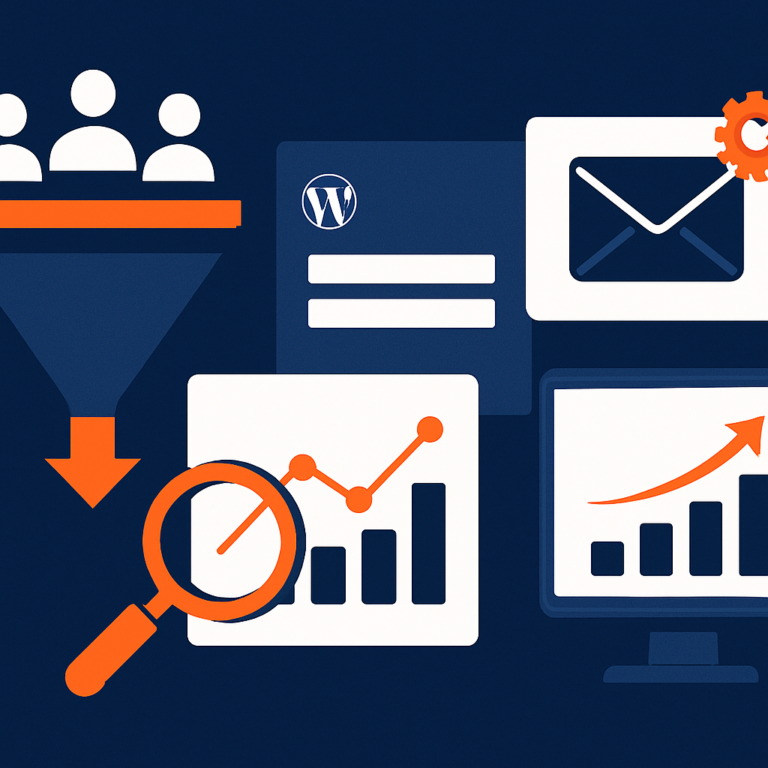
Lead scoring is a systematic approach that helps businesses prioritise leads based on their likelihood to convert into customers. By assessing various attributes and behaviours, you can identify which leads are more engaged and ready for a follow-up. This method not only optimises your time but also enhances your sales strategy.
Why Lead Scoring Matters
Many businesses struggle with managing numerous leads, often leading to wasted efforts on individuals who are less likely to convert. Implementing a lead scoring system allows you to focus your resources on those leads that show the most promise.
How to Score Your Leads
Effective lead scoring involves assigning values to specific criteria. These criteria can be categorised into two main groups: demographic and behavioural.
Demographic Scoring
- Job Title: Certain positions may have more authority or need for your services.
- Company Size: Larger companies might have bigger budgets compared to smaller ones.
- Industry: Some industries may align more closely with your offerings.
Behavioural Scoring
- Email Engagement: Open rates and click-through rates can indicate interest.
- Website Activity: Pages visited and time spent on your site are valuable indicators.
- Social Media Interaction: Likes and shares on your content can signal engagement.
Prioritising Your Leads
Once you have established a scoring system, it’s time to decide which leads to follow up with first. Here are some strategies to consider:
Set a Scoring Threshold
Establish a minimum score that a lead must reach before you initiate contact. This threshold should reflect the level of engagement that indicates a genuine interest in your services.
Focus on High-Scoring Leads
Start your follow-up with leads that score above your established threshold. These leads have demonstrated interest and are more likely to convert, making them a priority for your outreach efforts.
Segment Your Leads
Not all high-scoring leads are the same. Segment your leads based on factors like urgency, potential deal size, or specific needs. This helps tailor your approach and increases the chances of a successful conversion.
Tools to Assist with Lead Scoring
Several tools can automate the lead scoring process, saving you time and ensuring accuracy. The Acquisition Suite Plugin, for instance, offers features that help track and score leads effectively. By integrating such tools into your workflow, you can streamline the process and gain valuable insights on your leads.
Conclusion
Implementing a lead scoring system allows you to prioritise leads effectively, ensuring that your follow-up efforts yield the best results. By focusing on high-scoring leads and maintaining a systematic approach, you enhance your chances of converting prospects into loyal customers.
Ready to see it on your own site?