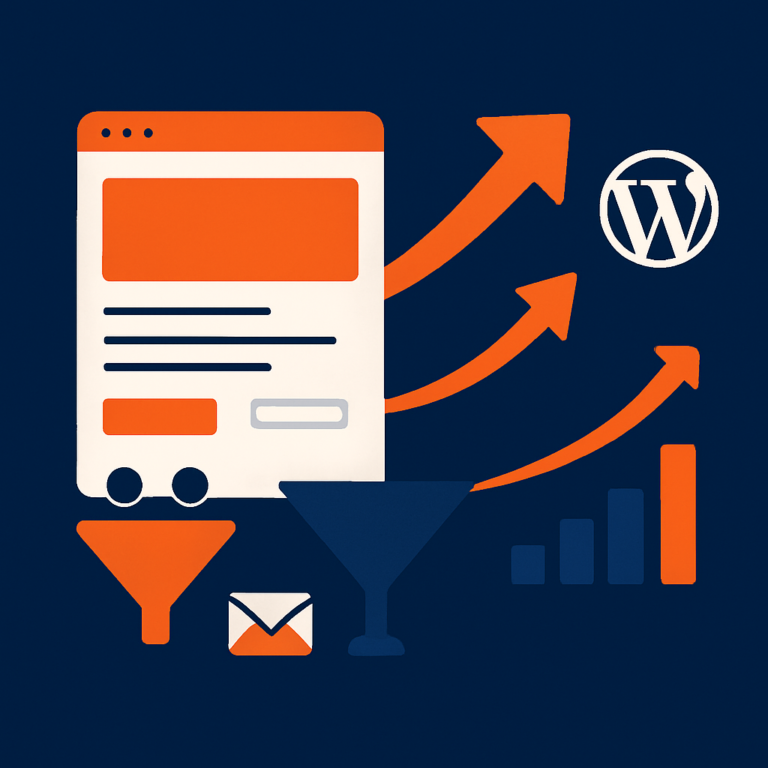




Understanding the Sales Funnel for Digital Products
A sales funnel for digital products maps the customer journey from discovery to purchase. It’s essential for course sellers and creators looking to maximize conversions. Each stage of the funnel serves a unique purpose, guiding potential customers toward making a purchase decision. By understanding and optimizing each step, you can enhance the overall effectiveness of your marketing strategy and increase your revenue.
Step 1: Define Your Target Audience
Your sales funnel must begin with a clear understanding of your target audience. Identifying their pain points, needs, and preferences is crucial. This insight informs your messaging and content strategy throughout the funnel, ensuring that you resonate with potential customers on a deeper level.
- Research Demographics: Use surveys, social media insights, and analytics to understand who your audience is. Look into factors such as age, gender, location, and interests. For example, if you are selling a digital course on graphic design, your audience might predominantly consist of young adults aged 18-35 who are either students or early-career professionals.
- Identify Pain Points: What problems does your digital product solve? Tailor your approach to address these concerns directly. For instance, if your product helps users learn graphic design quickly, highlight how it can save them time and effort compared to traditional learning methods.
A common mistake is creating a sales funnel without a defined audience, leading to mismatched messaging and low engagement. By taking the time to understand your audience, you can create targeted content that speaks directly to their needs, increasing the likelihood of conversion.
Step 2: Create an Engaging Lead Magnet
A lead magnet is a free resource offered in exchange for a visitor’s contact information. This is often the first interaction with potential customers, so it must be compelling and valuable. A well-crafted lead magnet can significantly increase your email list and set the stage for future sales.
- Types of Lead Magnets: Consider offering ebooks, free trials, webinars, or templates related to your digital product. For example, if you are selling an online course on digital marketing, a lead magnet could be a free ebook titled “10 Essential Digital Marketing Strategies for Small Businesses.”
- Landing Page Design: The landing page must be visually appealing and clearly convey the value of the lead magnet. Use concise, persuasive language that highlights the benefits of signing up. Include bullet points that summarize what the visitor will gain, and ensure that the design is mobile-friendly to cater to all users.
Refer to Creating Effective Lead Magnets for Coaches and Consultants for more detailed strategies. A strong lead magnet not only attracts potential customers but also builds trust and positions you as an authority in your niche.
Step 3: Craft a Compelling Sales Page
Your sales page should clearly outline the benefits of your digital product. It must communicate value and address any objections potential customers may have. A well-structured sales page can be the difference between a visitor leaving your site and making a purchase.
- Headline and Subheadings: Create a strong headline that grabs attention, followed by subheadings that expand on key benefits. For instance, instead of a generic title like “Learn Graphic Design,” consider a more engaging headline such as “Transform Your Creativity into Stunning Designs in Just 30 Days!”
- Testimonials and Social Proof: Include reviews or case studies to build credibility and trust. Displaying testimonials from satisfied customers can alleviate doubts and encourage new visitors to make a purchase. Consider adding video testimonials for a more personal touch.
- Clear Call-to-Action: Ensure your call-to-action (CTA) is prominent and encourages immediate action, such as “Buy Now” or “Get Instant Access.” Use contrasting colors for the CTA button to make it stand out and consider placing it multiple times throughout the page for easy access.
Common Mistakes to Avoid
Many creators underestimate the importance of a well-designed sales page. Avoid clutter and ensure that the page loads quickly to prevent losing potential customers. Additionally, ensure that the content is easy to read, using bullet points and short paragraphs to enhance readability. A/B testing different elements of your sales page can also provide insights into what resonates best with your audience.
Step 4: Implement Effective Email Sequences
Once you capture leads, use email sequences to nurture relationships. This is crucial in converting leads into paying customers. A well-thought-out email strategy can keep your audience engaged and informed, ultimately leading to higher conversion rates.
- Welcome Emails: Send immediate welcome emails to thank new subscribers and set expectations. This is your chance to make a great first impression and outline what they can expect from your emails.
- Follow-Up Sequences: Develop a series of emails that provide value, share insights, and guide leads toward purchasing your product. For example, you might send a series of educational emails that delve deeper into topics related to your digital product, showcasing your expertise and building trust.
- Segment Your Audience: Use segmentation to tailor messages based on user behaviour or interests. This leads to higher engagement rates. For instance, if someone downloaded a lead magnet about graphic design, you might send them targeted emails about your graphic design course, while others who showed interest in a different area receive content relevant to that topic.
Automating email sequences can save time and ensure consistent follow-up. Explore more on this in our guide on How to Use Email Automation for Leads. By nurturing your leads through thoughtful email communication, you can significantly increase the chances of converting them into paying customers.
Step 5: Optimize for Conversions
Finally, consistently monitor and optimize your sales funnel for better performance. Use A/B testing to refine elements like headlines, CTAs, and email subject lines. This iterative process allows you to identify what works best and make data-driven decisions to enhance your funnel.
- Analyze Data: Use analytics tools to track visitor behaviour and conversion rates at each stage of the funnel. Pay attention to metrics such as click-through rates, bounce rates, and overall conversion rates to gain insights into how your funnel is performing.
- Adjust Strategies: Based on data insights, make necessary adjustments to your approach to improve conversions. For example, if you notice a high drop-off rate on your sales page, consider revising the content or layout to better engage visitors.
Regular optimization is key to maintaining a high-converting sales funnel for digital products. By continually refining your approach, you can adapt to changing market conditions and customer preferences, ensuring long-term success.
Conclusion
Building a high-converting sales funnel for digital products requires careful planning and execution. By understanding your audience, creating engaging lead magnets, crafting compelling sales pages, implementing effective email sequences, and optimizing for conversions, you can significantly increase your chances of converting visitors into customers. Remember, the sales funnel is not a one-time effort but an ongoing process that benefits from continuous improvement and adaptation. With dedication and strategic thinking, you can create a sales funnel that not only attracts leads but also turns them into loyal customers.
Turn your website visitors into paying customers